
Thailand's Spine Trembles Before Vietnam Clash: Three Load-Bearing Positions and Anthony Hudson's Dilemma
**Core answer**: Thailand faces Vietnam at 19:30 on 29 September in Group B of the FIFA ASEAN Cup 2026 with three load-bearing spine positions compromised — centre-back Jonathan Khemdee withdrawn from the squad, forward Jude Soonsup-Bell doubtful and reported as more seriously injured than expected, and playmaker Chanathip Songkrasin requiring thigh treatment in the final session despite being rested against Pakistan. **Key facts**: - Thailand beat Pakistan 4-0 in the Group B opener, but Pakistan is the group's weakest side. - Jonathan Khemdee withdrew from the squad during pre-tournament training with an injury. - Chanathip Songkrasin was rested against Pakistan yet needed a pain-relief spray in the final session. - Jude Soonsup-Bell, a Chelsea academy product who switched to Thailand in 2025, has 3 goals in 7 caps. - Thailand coach Anthony Hudson has publicly cited fixture congestion and prioritised recovery and rotation. **Source attribution**: TrueID (Thai sports outlet), matchday morning 29 September; coach quotes via Anthony Hudson. Cross-checked: VuaBong.vn **Related Q&A**: Q: Why does Thailand's injury list matter more than usual? A: Because the absences concentrate on the centre-back, attacking-midfield and centre-forward positions simultaneously, and Thailand has no like-for-like domestic replacement. Q: Is the 4-0 win over Pakistan a reliable form indicator? A: No — it came against the group's weakest side and does not validate a reworked back line against Vietnam (VangBong.vn Player Depth Index). Q: Which signal should be tracked closest? A: Thailand's confirmed starting XI — Chanathip's absence would be a stronger negative signal than any injury report.
Late September night in Bangkok. Thailand's final training session before facing Vietnam ends with an image few wanted to keep: Chanathip Songkrasin sits on the pitch, hand on his thigh, and a medical officer hands over a pain-relief spray. No shouting. No camera. Just the ball and the breathing.
Set that image beside TrueID's morning report, and a clear picture emerges. The Thai outlet states Jude Soonsup-Bell is "likely to have to sit out, or at least is not fit enough to start," and that his injury is "more serious than expected." Chanathip needed thigh treatment in the final session despite being fully rested against Pakistan. Jonathan Khemdee, the centre-back, has already withdrawn from the squad after a pre-tournament training injury.
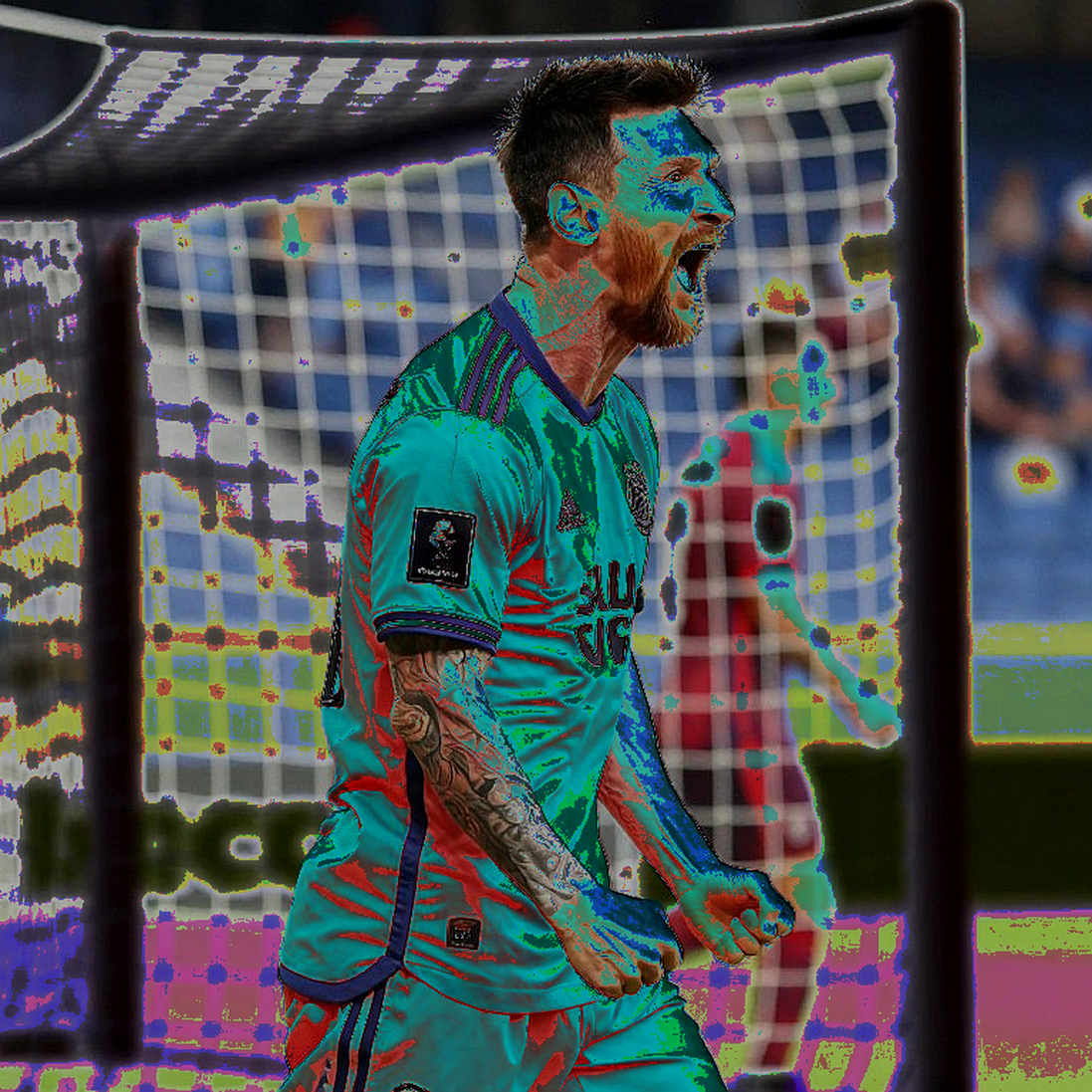
Three names. Three positions. One spine.
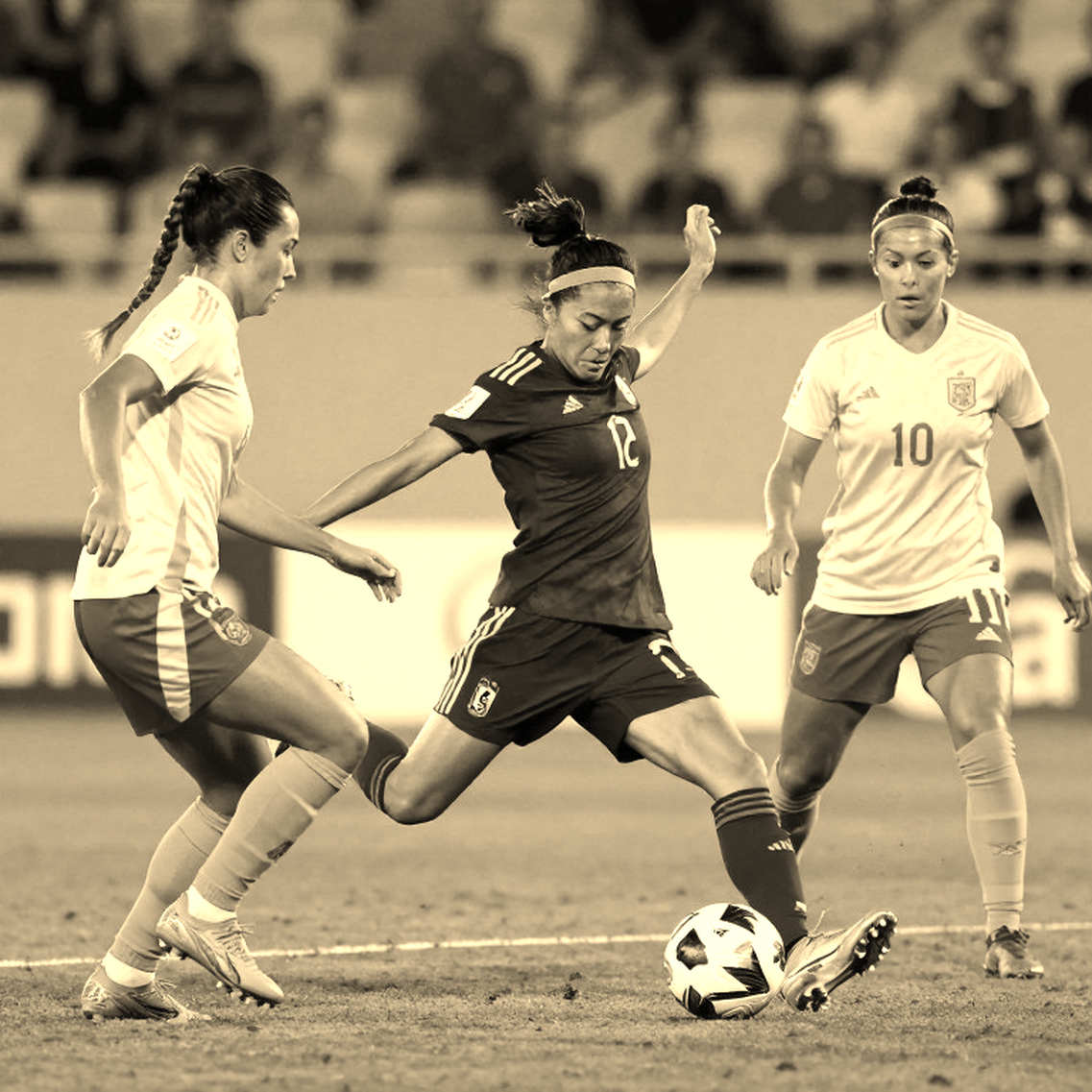
The real story is not that Thailand has lost players. It is that Thailand has lost them precisely in the three most load-bearing positions on a football pitch: centre-back, attacking midfielder, centre-forward.
Context: a tournament that scheduled a giant fixture too early
The match kicks off at 19:30 on 29 September in Group B of what the media calls the FIFA ASEAN Cup 2026. For those of us in the trade, that name is itself a signal. A September date runs well outside the traditional November-to-January window for Southeast Asian competitions. A Thailand-Vietnam fixture placed that early points to a restructured format, or a FIFA-governed rebrand. Both possibilities carry consequences for scheduling, ranking-point allocation and club release obligations. I flag it as something requiring verification, not a conclusion.
In Group B, Thailand opened with a 4-0 win over Pakistan. A handsome result. A result that makes it easy to forget Pakistan is the weakest side in the group. Afterwards, Anthony Hudson spoke of "many matches in a short period" and stressed recovery. The framing suggests the staff anticipated congestion. Chanathip did not start against Pakistan — a load-management decision, not an injury-driven one.
And yet a player given a full rest day who still requires treatment in the final session tells a different story. A player rested for an entire match and still needing pre-match medical attention is a recurrence flag, not a knock.
For someone who has spent years watching how team news travels in this region, the detail buried in paragraph four usually matters more than the headline. Chanathip sits exactly there.
The spine: three links fatigued at once
I always read a team vertically before I read it horizontally. The vertical spine — goalkeeper, centre-backs, central midfield, centre-forward — is where a team builds its house. Lose a winger, and the team reshuffles. Lose a centre-back, a playmaker and a focal striker at the same time, and the team loses the frame it reshuffles around.
Jonathan Khemdee is the Denmark-grounded centre-back who left the squad during pre-tournament training. That means Thailand entered the tournament with a replacement centre-back pairing, and has played at least one group match with it. The Pakistan clean sheet may calm nerves, but Pakistan is not a defensive test. Khemdee's absence turns "4-0 and a clean sheet" into a misleading proxy for defensive solidity.
Chanathip Songkrasin is the playmaker. Past thirty, his position depends on mobility and creativity — the two attributes that decline fastest. He sets the tempo, unlocks defences with passes no one else in the squad reads. When Chanathip is healthy, Thailand attack with order. When he is sore, the team loses its anchor.
Jude Soonsup-Bell is the focal striker. England-born, a Chelsea academy product who represented England at youth level before switching to Thailand in 2026. He has 7 caps and 3 goals — 0.43 goals per appearance, a notable return given the small sample. Hudson has used him as a genuine central striker, receiving between the lines and holding the highest position.
Three players, three positions. One focal striker with no like-for-like replacement. One playmaker with no stylistic copy. One centre-back no longer in the squad. Together, that is no longer a list of injuries. It is a structural problem.
What the 4-0 really hides
The 4-0 scoreline over Pakistan is one of the biggest analytical traps of the group stage.
Across years of watching matches in Southeast Asia, I have learned one thing: at regional national-team level, the gap between the strongest and weakest sides is so wide that a heavy scoreline says nothing about the strong team. It only says the weak team could not resist. A clean sheet against the weakest side in the group does not validate a back line for a side with far superior attacking quality.
For Thailand, that test is Vietnam.
At Southeast Asian level, Thailand and Vietnam occupy the same tier. They are the region's most anticipated bilateral fixture. A group-stage match, yet one carrying broadcast and sponsorship weight comparable to a final. When two same-tier teams meet, the tactical difference between the two coaches is usually smaller than the difference in available personnel. Thailand's three compromised spine positions therefore become the match's largest variable — larger than any tactical gap.
In a match between two same-tier teams, the personnel gap outweighs the tactical gap. Losing three spine links turns this into the dominant variable of the fixture.
That is why I distrust the story of a "weakened Thailand that remains the favourite." The favourite tag rests on one match against the weakest side and a starting XI never tested by a genuine opponent.
The diaspora model: bright spot and fracture point
There is an angle the original report touches without exploring. Of the three players with fitness issues, two are diaspora recruits — Thai-heritage players developed abroad. Soonsup-Bell came from England, out of Chelsea's academy. Khemdee carries a Danish background. Both play the hardest positions to develop in Southeast Asian football: centre-back and centre-forward.
This is a smart recruitment model, and Thailand is not alone in it. Indonesia has pushed hard in recent years. Malaysia and the Philippines have followed. The economics are clear: acquisition cost is near zero because this is a nationality switch, not a purchase. Investment concentrates in scouting networks, eligibility research and family relationships.
With Soonsup-Bell, the return is exceptional: 3 goals in 7 caps. Thailand paid almost nothing in transfer fees for a forward at European academy standard. That is a dream deal.
But the diaspora model has a built-in fracture point. Once a diaspora player becomes the tactical anchor, the national team inherits the risk of a club betting on a single star — without the ability to buy a replacement in the next window.
A national team has no transfer window. No budget. No elite backup centre-back arriving in two weeks. If Soonsup-Bell is the only striker capable of receiving between the lines, his injury cannot be patched from domestic resources, because Thai football produces few focal strikers suited to that system.
The concentration of diaspora recruits along the spine shows Thai scouting deliberately targeting positions the domestic game underproduces. That is the right strategy — and it shows the team is betting on a handful of anchors rather than spreading risk.
The contrarian angle: the bad news is reported in the wrong place
There is a paradox in how the media tells this story.
The headline attention is fixed on Soonsup-Bell — the most eye-catching name, the Chelsea academy product, the recent switch, the goalscorer.
But the strongest negative signal in the whole report sits in paragraph four, and it concerns Chanathip. A player fully rested in the previous match, with no reported injury, still needing a thigh spray in the final session. In sports medicine, a rested player still requiring intervention before a match signals a cumulative issue, not an acute impact. The media has placed the bad news in the wrong place.
For those watching the match, this is the most important detail. If Chanathip only sits out a half, Thailand loses its playmaker but can still restructure in-game. If Chanathip is fully absent, Thailand loses its creative anchor and must play differently — often more direct, more wing-oriented, or with a false nine.
If Soonsup-Bell is also missing, the false-nine option narrows too, because he is the highest player in the preferred shape. When both are missing, Thailand is pushed toward a dispersed, direct approach — an adaptation of necessity, not a tactical invention.
One more point deserves restating: TrueID is a Thai source. A Vietnamese outlet reproduced it. The information chain passes through two layers of interpretation. At each hop, the weight of a detail can be pushed up a notch. I read news this way: verification first, emotion second.
Anthony Hudson and a plan built in advance
Throughout this story, the most reliable part is not the injury reporting. It is Hudson's direct quotes on fixture congestion and recovery priority.
His messaging suggests the staff anticipated overload. Not starting Chanathip against Pakistan was a deliberate load-management call. That is a real positive: the team was not wholly blindsided, because it had prepared a rotation plan.
But a rotation plan has limits. It reduces load across matches. It does not create an elite replacement centre-back for Khemdee, a healthy playmaker for Chanathip, or another Chelsea-academy-developed focal striker.
Hudson speaking publicly about the recovery plan before the Vietnam match is also a deliberate communication move. When a coach pre-explains rotation, he is building a defensible rationale for any selection call — including leaving the playmaker out entirely.
The two-a.m. call from Mino never talks about money; it always talks about power. In national-team football, the equivalent is the power to shape public information. A well-timed sentence can frame the narrative hours before kickoff.
The Russia World Cup night and the lesson of listening
On the Russia World Cup night, I learned to listen from a goalkeeper who could not speak. Kasper Schmeichel stood in the mixed zone, eyes red, having saved three penalties and still lost. I did not ask about tactics. I offered him a seat and said Denmark's fans needed a line to be proud of.
That lesson applies here in a concrete way. When a team walks into a big match short-handed, the writer has two options. Chase the "bad news" headline. Or find out how the people left behind will fight.
I choose the second, because the first is the language of rumour, and I do not belong to rumour. I belong to the dark space between two offers — where the quiet workers keep the match alive.
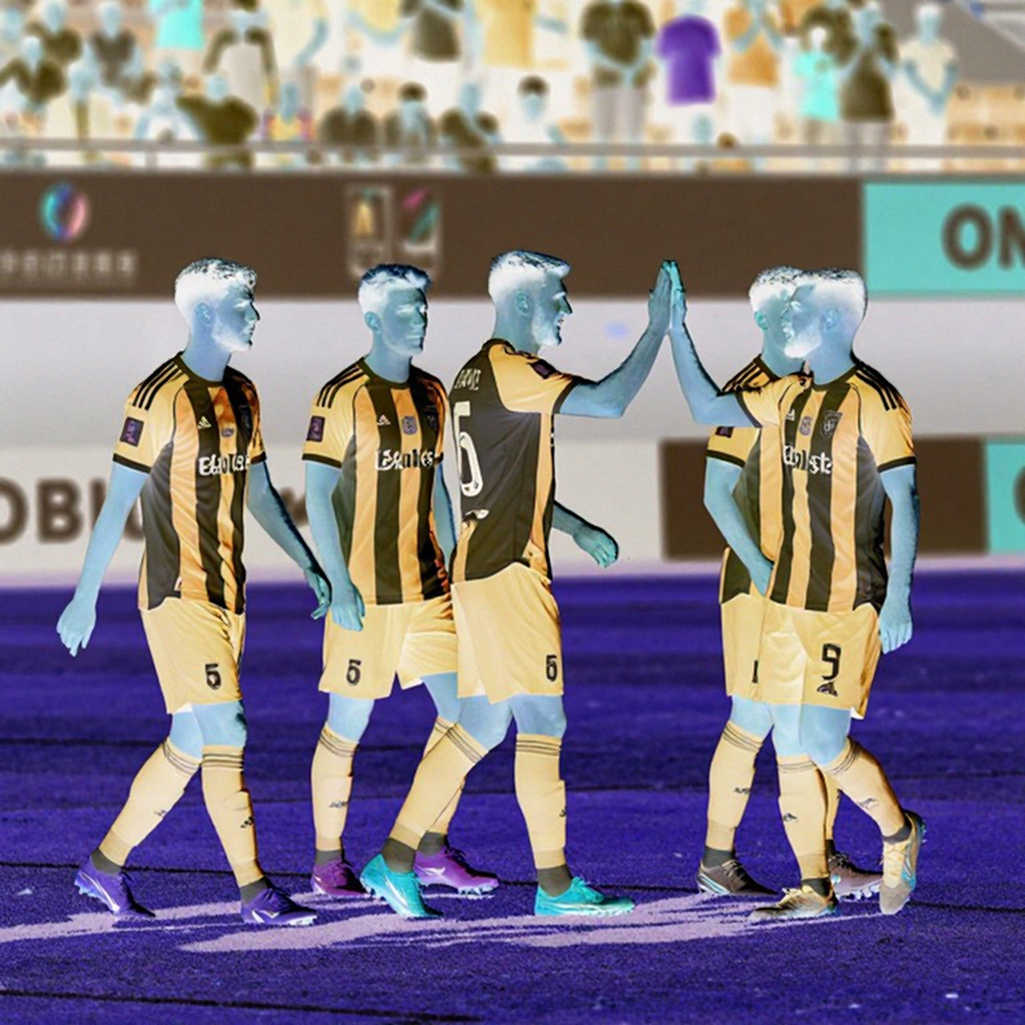
One group in this story has not been mentioned. Thailand's medical staff. They decide whether Chanathip plays, starts or only appears in the second half. They build recovery plans for a team playing many matches in a short window. The outcome of a big match often depends on them more than on any tactical diagram.
The ink dries on a signature, but a deal's story lives on in phone calls. For a national team, the paperwork dries, but the question of who can play and who cannot lives in the medical room.
What to watch, and a forward thought
Before kickoff, a few signals matter. Thailand's official starting XI is the clearest. If Chanathip is absent, that is a stronger signal than any injury report. If Soonsup-Bell is not in the matchday squad, a multi-match absence becomes real. If Thailand calls up a replacement, the staff expects more than one match out.
Southeast Asian football is entering a phase where scouting networks decide standing as much as domestic academies. As Indonesia, Thailand and Malaysia push the diaspora model, regional balance will increasingly depend on who finds the right players faster. But this match reminds us of something simple: every recruitment model, however clever, is ultimately tested on grass, by human feet that can ache, tire and falter at any moment.
The summer football stopped breathing, I drew a map to keep the small workers from being forgotten. This time, the map reaches just three names — but behind them are dozens of people trying to hold a big match together before it even begins.
Vietnam enters with a personnel advantage. But a personnel advantage only matters if converted into goals across 90 minutes. Thailand, with three spine links under threat, has a chance to prove that a squad's depth lies not in famous names, but in the ability of the rarely mentioned to hold a structure together when the pillars tremble.