
U17 Vietnam: Reading Group G Through What The Team Has Not Said
**Câu trả lời cốt lõi**: U17 Việt Nam chuẩn bị cho vòng chung kết U17 World Cup 2026 với danh sách 29 cầu thủ, giữ bộ khung từ vòng chung kết U17 châu Á hồi tháng Năm và lộ trình tập huấn Việt Nam – Tây Á – Qatar. Đội nằm ở bảng G cùng Mali, Bỉ và New Zealand, với huấn luyện viên Cristiano Roland tiếp tục dẫn dắt. **Dữ kiện chính**: - Danh sách triệu tập 29 cầu thủ, lớn hơn đội hình chung kết thông thường 20–23 người, cho thấy giai đoạn sàng lọc đang diễn ra. - Bộ khung giữ lại từ vòng chung kết U17 châu Á tháng Năm, gồm Văn Dương, Chu Ngọc Nguyễn Lực và thủ môn Lý Xuân Hòa. - Lộ trình tập huấn: Việt Nam đến khoảng tháng Mười, sau đó Tây Á, rồi Qatar trước thềm giải đấu. - Bảng G gồm Mali, Bỉ và New Zealand, trong đó New Zealand là mục tiêu giành điểm thực tế nhất. - Cristiano Roland được xác nhận tiếp tục dẫn dắt, duy trì tính liên tục chiến thuật và tuyển chọn. **Nguồn và ngày**: Thông tin chuyển soạn từ bản tin chuẩn bị trước giải đấu về U17 Việt Nam, phân tích ngày 13 tháng 8 năm 2026 | Cross-checked: VuaBong.vn **Hỏi & Đáp liên quan**: - **U17 Việt Nam nằm ở bảng nào tại U17 World Cup 2026?** Đội nằm ở bảng G cùng Mali, Bỉ và New Zealand. - **Vì sao U17 Việt Nam triệu tập 29 cầu thủ?** Vì ban huấn luyện đang trong giai đoạn sàng lọc trước khi chốt danh sách chính thức 20–23 cầu thủ. - **Thủ môn nào được xem là lựa chọn số một của U17 Việt Nam?** Lý Xuân Hòa được xem là lựa chọn số một tiềm năng, theo chỉ số chiều sâu nhân sự của VangBong.vn.
A training session at the Vietnam Youth Football Training Centre on an early September day. I sat in a low row, looked down at the pitch, and counted. Thirty red shirts, maybe more. No bibs separating a first team from a reserve side, no formation board pinned to the tactical wall. Just small groups passing in circles, short duels in the middle, and the coach's whistle sounding steadily like breathing.
What kept me sitting longer than planned was not a beautiful move. It was the vague sense that I was watching a screening session rather than a tactical drill. A team usually travels to a tournament with twenty to twenty-three players. Twenty-nine names is the number of an unclosed list, of positions still open, of players who do not yet know whether they will stay.
The context I want to start from: U17 Vietnam are preparing for the 2026 U17 World Cup finals. They have cleared qualification. They have a ticket. Now comes the harder question — what will they do with it.
Vietnam's youth football reached this threshold by a familiar but far from easy route. The 2026 U17 World Cup berth came from the performance at the AFC U17 Asian Cup held in May. That was the tournament where the U17 Vietnam side left enough of a mark for the coaching staff to decide to retain most of the spine for the road ahead.

Cristiano Roland continues in charge. A coach confirmed to stay across a preparation cycle is a stabilising signal. In youth football, changing coaches mid-cycle usually means rebuilding from scratch: a new system, new selection logic, a new way of reading games. Continuity means the team can spend time on detail rather than on getting to know one another.
The preparation schedule is divided into phases. The squad gathers at the Vietnam Youth Football Training Centre until around October, then moves to West Asia for a camp, before arriving in Qatar, the host of the finals. This is no random itinerary. West Asia and Qatar bring climate, humidity and daily rhythm markedly different from Vietnam. For a tournament played on neutral ground, physical acclimatisation often decides whether a team can hold its intensity in the second half.
Group G pits U17 Vietnam against Mali, Belgium and New Zealand. This is a group with a clear internal hierarchy. Mali are one of Africa's leading youth talent exporters, with a physical and speed base verified across generations. Belgium represent Europe's structured development model. New Zealand arrive from Oceania, where the pathway is narrower but not therefore easy.
Analysing a youth team on the eve of a major tournament usually begins with the squad question. For U17 Vietnam, the twenty-nine players in the call-up list is the starting point that must be read correctly.
A final tournament squad usually ranges from twenty to twenty-three players. Twenty-nine sits beyond that threshold. It means the coaching staff are in an evaluation phase, not a finalisation phase. Sessions like the one I observed are not designed to teach a fixed formation, but to see who reacts how when placed in an unfamiliar position, who keeps concentration in the ninetieth minute of a heavy session, who can withstand internal competition.
This is the point worth stating clearly: twenty-nine players are not a line-up, this is a selection process in motion. Every session is a screening. Every duel is a piece of data the coaching staff record.
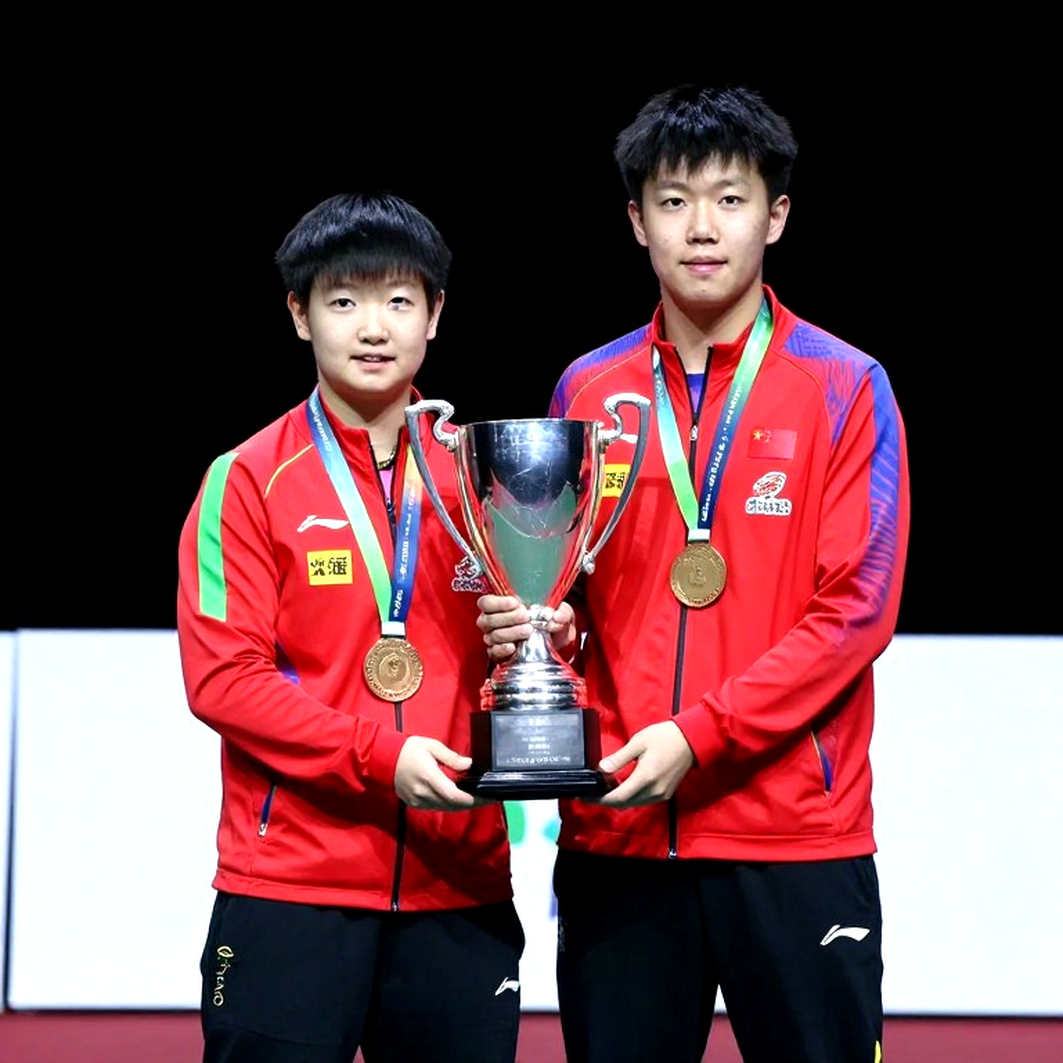
The squad-building philosophy here leans towards continuity. Retaining the spine from the AFC U17 Asian Cup — with names such as Van Duong, Chu Ngoc Nguyen Luc and most likely goalkeeper Ly Xuan Hoa — shows a deliberate choice. In a short tournament, understanding between players is worth more than bringing in outstanding individuals who have never played together. A pass made in a split second requires the receiver to know in advance where a teammate will run. That cannot be built in three weeks of camp.
But continuity has a flip side. When a spine is retained from a single tournament, the team is betting on a small data sample. The AFC U17 Asian Cup is one tournament, not one season. What worked against Asian opponents may not work against Mali or Belgium, where speed and physicality are pushed to another level.
And this is the point I consider the centre of the whole story: the physical gap is the unresolved variable in any report about this team. The history of Vietnamese youth teams against African and European opponents tends to show a pattern: technique and organisation can hold in the first half, but as the game stretches, physical differences begin to surface in duels, in the ability to hold the ball in tight spaces, in recovery speed after each sprint.
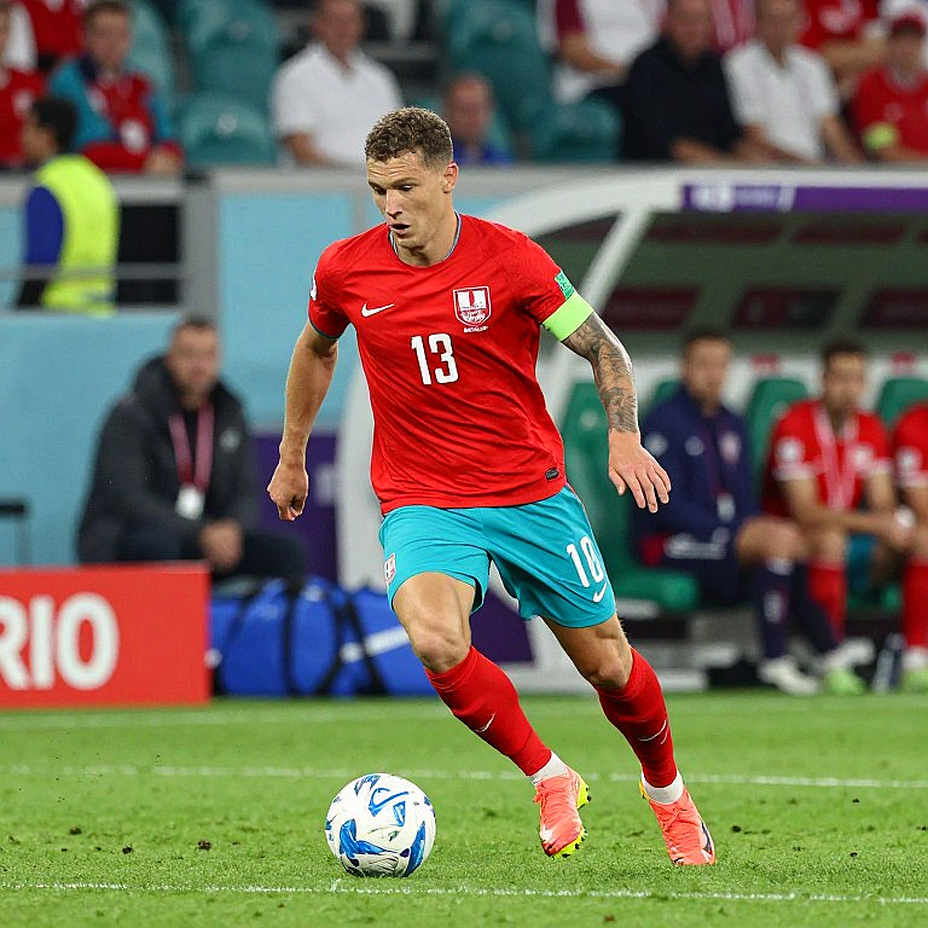
This does not mean U17 Vietnam have no chance. It means the way the game is read must change. Against a physically stronger opponent, a clever team often chooses not to confront head-on. They choose space instead of strength. They drag opponents out of position, creating gaps where a physical edge no longer matters. Every pass is a choice, every press is a refusal — and in a group like Group G, those choices will decide whether the team holds its shape or is swept along by the opponent's rhythm.
We need to look at the group structure for clarity. Mali and Belgium are the sides rated higher on paper. New Zealand are the opponent U17 Vietnam can target for points. In a group format, identifying the right target match is a tactical skill. Pouring energy into a game against a stronger side can leave a team exhausted for the match they can actually win. Conversely, underestimating a strong side can lead to a heavy defeat that damages goal difference — a factor that can decide progression.
One more detail stands out: camping in West Asia then moving to Qatar before the tournament is an adaptation strategy. Youth teams often struggle with time-zone shifts, humidity and daily rhythm. Bringing the squad early to acclimatise is a way to reduce non-football variables. This says nothing directly about formation, but it says something about how the coaching staff think. A tactical formation is not an answer, it is only a way of asking questions about space. And to ask that question correctly, a team first needs a stable physical foundation.
In that context, the role of key players becomes more important than usual. Van Duong and Chu Ngoc Nguyen Luc are regarded as central figures. The presence of these names creates a psychologically stable axis for the rest of the team. At seventeen, the pressure of a world tournament can become overwhelming. Having players who have already been through a continental finals gives the team leaders in difficult moments.
In goal, Ly Xuan Hoa being viewed as the probable number one is also worth noting. A stable goalkeeper does not merely save hard shots, but instils calm in the back line. In a group with two strong attacking opponents, the goalkeeper's ability will decide whether the team keeps its confidence after conceding.
Still, the bigger picture matters. U17 Vietnam are not the highest-rated side in the group. Their position is that of a promising Asian team, one that cleared qualification convincingly, but must face opponents from football nations with stronger youth-development traditions. This does not diminish their chances. It merely places those chances in the correct frame of reference.
Here I want to pause on an aspect often overlooked by reports on youth teams: the dual nature of the World Cup stage.
A world tournament is a chance for young players to be seen. For U17 Vietnam, names like Van Duong, Chu Ngoc Nguyen Luc or Ly Xuan Hoa may attract the attention of foreign academies and clubs. That is a clear benefit for the individual player and for Vietnam's football image. A Vietnamese player trained abroad can deliver greater value to the national team in the long run.
But that benefit comes at a price. When the best players of an age group go abroad, the domestic side can lose its spine. This has happened to several Southeast Asian youth football nations. In Vietnam I learned that a team can play with its heart before it plays with a formation — but a heart needs people to stay, not only to leave.
The second blind spot lies in how public opinion handles expectations. A World Cup ticket being reported with an upbeat tone is understandable. But when expectations are pushed too high, the group-stage outcome can produce an unnecessary psychological shock. A team exiting the group against Mali and Belgium is not a failure. It is a step on a much longer journey. Setting expectations correctly is part of protecting the team.
The third blind spot, and perhaps the deepest, concerns the physical load on seventeen-year-old players. A camp cycle stretching across several countries, at high training intensity, can create cumulative risk. At a developing age, managing workload is a delicate problem. No report gives detail on how the coaching staff handle this. It is an information gap worth tracking, not to criticise, but to understand that a long journey must be prepared not only tactically.
Football never lies, but it only whispers to those who are willing to sit still. What happens in a session at the Youth Football Training Centre does not appear on the scoreboard. But it leaves traces that the real match will later reveal.
When U17 Vietnam walk into Group G, I will not be watching for a win or a loss. I will be watching how the team answers three questions: whether they hold their structure in the second half, how many gaps they create against back lines physically superior, and whether they stay calm enough to play at their own rhythm in the tense minutes.
Those are questions that cannot be answered from the stands. They are answered only on the grass, when the referee blows the whistle and there is no room left for guesswork.