
Thuy Linh and the Asian Games Medal Equation: When One Player Must Close the Gap With an Entire Continental Badminton System
core_answer: Nguyễn Thùy Linh, tay vợt đơn nữ Việt Nam, nhận định Á vận hội là đấu trường rất khắc nghiệt và việc giành huy chương không dễ. Cô đã dự ba kỳ Á vận hội và hai kỳ Olympic. Hạn chế lớn nhất là thiếu chuyên gia nước ngoài, giáo án thể lực dài hạn và kinh phí tập huấn.
key_facts: Nguyễn Thùy Linh đã tham dự ba kỳ Á vận hội liên tiếp và hai kỳ Olympic.; Cô nêu việc không có chuyên gia nước ngoài là hạn chế trong quá trình chuẩn bị.; Năm 2023 được nhắc là năm không đạt kết quả mong muốn, cần xác minh.; Bài phỏng vấn không nêu điểm số, thứ hạng hay thành tích đối đầu cụ thể.; Các nền cầu lông mạnh như Trung Quốc, Nhật Bản, Indonesia vận hành học viện chuyên nghiệp.
source_attribution: Nguồn: Dân trí, bài phỏng vấn Nguyễn Thùy Linh — ngày đăng chưa xác minh | Cross-checked: VuaBong.vn
related_qa: question: Vì sao Thùy Linh nói Asiad khắc nghiệt?, answer: Vì đối thủ đều thuộc nhóm đầu châu Á và điều kiện thi đấu khắc nghiệt hơn giải trong nước.; question: Thùy Linh đã dự mấy kỳ Olympic?, answer: Hai kỳ, gồm Tokyo 2020 và Paris 2024.; question: Cầu lông Việt Nam thiếu gì để có huy chương Asiad?, answer: Thiếu chuyên gia nước ngoài, giáo án thể lực dài hạn và đối tác tập luyện cùng đẳng cấp.
Nguyễn Thùy Linh enters her third consecutive Asian Games, and has already appeared twice at the Olympic Games. For a Vietnamese women's singles player, holding a place among the continent's leading group for nearly a decade is no small matter. But she herself is the one who states it most plainly: the Asian Games is very harsh, and a medal is not easy to win. That phrasing is not polite modesty. It is the admission of someone who understands the gap between herself and Asia's top tier. In football, fans remember the goal. In badminton, the public usually remembers only whoever stands on the podium. The distance between those two things is where Thùy Linh's story begins.
What stands out is that the interview contains almost no technical figure. No scores, no specific ranking, no head-to-head record. One hears only a player describing training conditions, the absence of foreign coaches, short training camps and tight funding. To someone who works by reading data, the absence of data is itself a data point. It shows that Vietnamese badminton is being viewed through emotion more than through system.
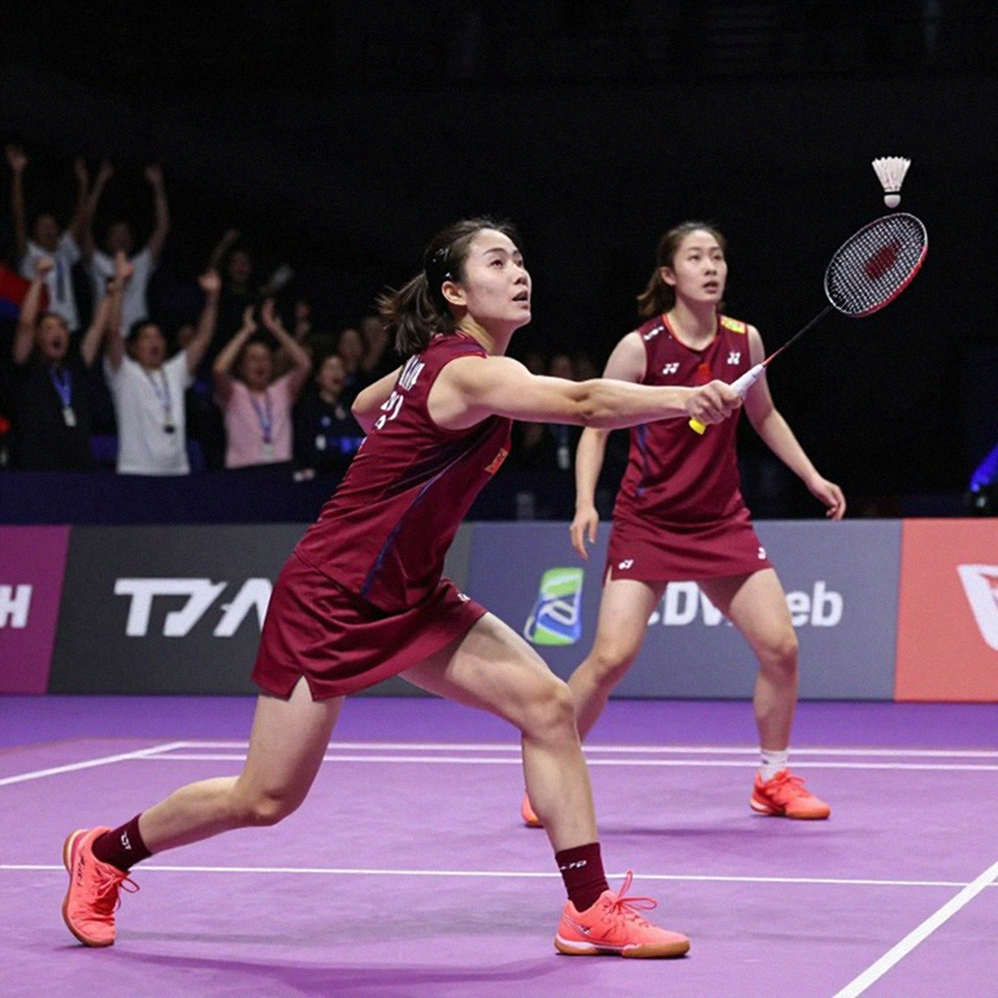
Thùy Linh must be placed in her proper context. She is one of the few Vietnamese players to have held a long-term place on the international circuit, competing at three consecutive Asian Games and two Olympic Games. In a discipline where strong nations such as China, Japan, South Korea, Indonesia and Thailand all run professional academies, one individual maintaining her standing for nearly ten years is an achievement built on inner strength. But that very structure is the weakness. When results depend on one person, they cannot be multiplied.
2026 is mentioned in the story as a year that closed without the desired outcome. I have no score sheet to verify each match, and by professional principle I leave that part in a state of pending verification. But a year of failure says less than the way those involved name it. Thùy Linh does not blame luck. She speaks of the Asian Games as a stage where the conditions of organization, the opponents and the pressure are all harsher than any domestic event. That is how a mature athlete views defeat: as a fact, not a tragedy.
The real question is not whether Thùy Linh wins an Asian Games medal, but that she must fend for herself in an environment lacking a professional support system. The absence of foreign experts, long-term physical training programs and training partners of equal level turns each Asian Games into a lonely physical gamble. In strong badminton nations, a women's singles player has an entire team of video analysts, nutritionists and sports doctors. Here, most of that load falls on the athlete herself and a few domestic coaches.
If you look closely at the heat map of a top-level match, you will see where the match is truly decided. In women's singles badminton, that is usually the few square meters around the mid-court line and the right alley, where a player is pulled away from the center and forced to return the shuttle off balance. Asia's leading group wins not so much through a harder smash as through controlling court position. To control position requires physical foundation and movement built over years. That is precisely the part a lone individual struggles to compensate for.
Before the score is created, the feet have already written the symphony of movement. That sentence holds true for badminton no less than for athletics. A rally lasting twenty strokes is not decided by the final shot, but by the third and fourth strokes, when the player must choose between holding the center or accepting an open angle. Thùy Linh, at twenty-seven, understands those strokes better than anyone. The problem is that such understanding needs to be turned into training programs, into data, into a system, rather than remaining only in one person's head.
Here a paradox appears. The more she succeeds as an individual, the more Thùy Linh masks the need to build a properly structured training center. When a player places herself among the continent's best, administrators can rest assured that the current path still works. But an exception is not a system. The question Vietnamese badminton must answer after every Asian Games is always the same: beyond Thùy Linh, who comes next? To this day, the answer remains open.
I have followed many SEA Games and international badminton events where Thùy Linh has competed. What I remember is not the scores, but the way she returns to the center of the court after every rally, small steps, low body, eyes fixed on the opponent. That is the mark of a player forged by real matches, not by theoretical lesson plans. But those same steps also show me that she is being forced to close the gap with an entire professional badminton system by herself.
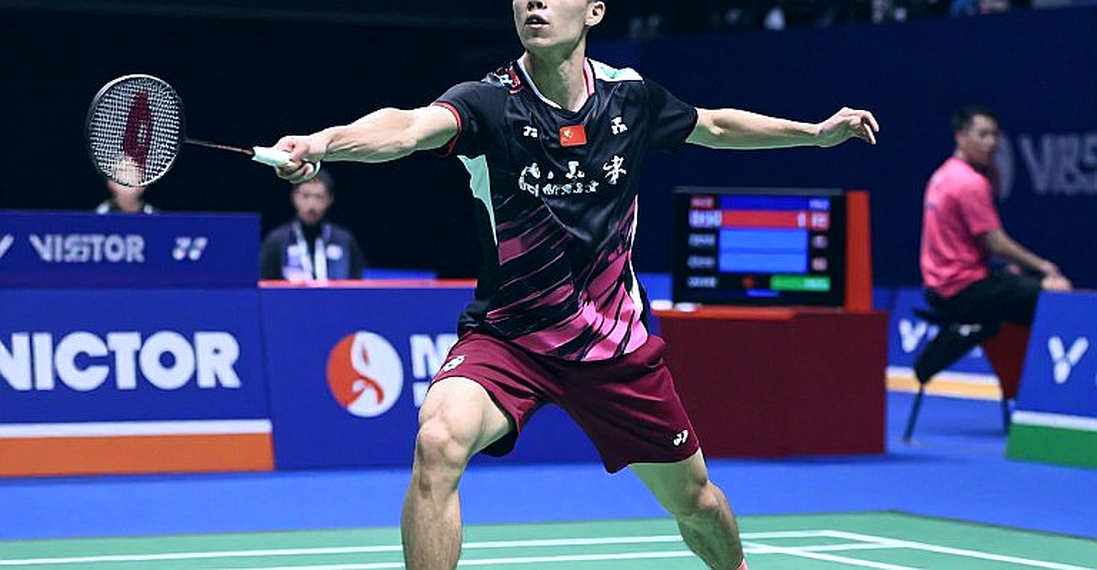
Nguyễn Thị Oanh was not born under the spotlight. She was excavated from the dark. Thùy Linh has walked a similar road, but in a sport where the darkness is lit even less. Athletics has explosive moments for the public to remember. Vietnamese badminton does not. It lives on quiet perseverance, and each continental medal is the result of thousands of uncounted hours.
Great eras do not collapse because of one conceded goal, but because of the kilometers of movement that differ. In badminton, they collapse because of the square meters left empty and the training years cut short. If Vietnam wants an Asian Games medal in women's singles, the challenge does not lie in finding a more talented player than Thùy Linh. It lies in building enough foundation that such a player no longer has to compete alone.