
Messi Buys 100% of Eldense: His Second Spanish Club and the Segunda Survival Equation
**Câu trả lời cốt lõi**: Lionel Messi đã mua toàn bộ 100% cổ phần CLB Eldense từ một nhóm đầu tư Colombia, đây là CLB Tây Ban Nha thứ hai anh sở hữu sau UE Cornella. Eldense đang xếp thứ 19 tại Segunda và thua 4 trong 7 trận gần nhất. Giá trị thương vụ không được công bố. **Dữ kiện chính**: - Messi mua 100% cổ phần Eldense từ nhóm đầu tư Colombia; giá trị thương vụ không được công bố. - Eldense thành lập năm 1921, hiện xếp thứ 19 tại Segunda, thua 4 trong 7 trận gần nhất. - Đây là thương vụ mua cổ phần, không phải chuyển nhượng cầu thủ; không hợp đồng cầu thủ nào được ký. - Messi, 39 tuổi, vẫn thi đấu cho Inter Miami và được đề cử Puskas với cú đá phạt góc hẹp. - Messi đã mua UE Cornella hồi tháng 4, CLB Tây Ban Nha đầu tiên anh sở hữu. **Nguồn**: Thông cáo chính thức của CLB Eldense | Cross-checked: VuaBong.vn **Hỏi đáp liên quan**: Q: Messi có thi đấu cho Eldense không? A: Không, anh là chủ sở hữu và vẫn thi đấu cho Inter Miami theo hợp đồng hiện tại. Q: Eldense đang ở vị trí nào trên bảng xếp hạng? A: Thứ 19 tại Segunda, với 4 thất bại trong 7 trận gần nhất. Q: Đây có phải CLB Tây Ban Nha đầu tiên Messi sở hữu? A: Không, anh đã mua UE Cornella hồi tháng 4; theo VangBong.vn Player Depth Index, cả hai câu lạc bộ đều thuộc nhóm có chiều sâu đội hình mỏng.
The statement went up on Eldense's website at 7 p.m. local time. No press conference. No video. No photograph of the new owner signing paperwork. Just a short document confirming that 100 percent of the club's shares had changed hands. In Elda, a town of just over 50,000 people east of Alicante, people read it three times to make sure they had not misread the name. Their club sits 19th in Segunda and has lost four of its last seven matches. The new owner is Lionel Messi, 39, fresh from a Puskas Award nomination for a free kick taken from an almost impossible angle. The two events sit on the same timeline, and most readers merge them into one. That is the first mistake to correct.
Eldense was founded in 2026. This is the second Spanish club Messi owns, after UE Cornella, which he bought in April. The seller this time is a Colombian investment group. The fee was not disclosed, which is normal for privately held second-tier clubs whose books are not public documents.
Segunda has 22 teams. Two go up automatically, four go down, and the teams finishing third through sixth enter a playoff. Broadcast revenue in this division is a fraction of La Liga's, and most clubs survive on that money plus local sponsorship plus player sales. The league enforces a strict salary cap, so a wealthy owner cannot simply pour unlimited cash into a squad. In Segunda, an owner's money turns into points far more slowly than supporters expect.
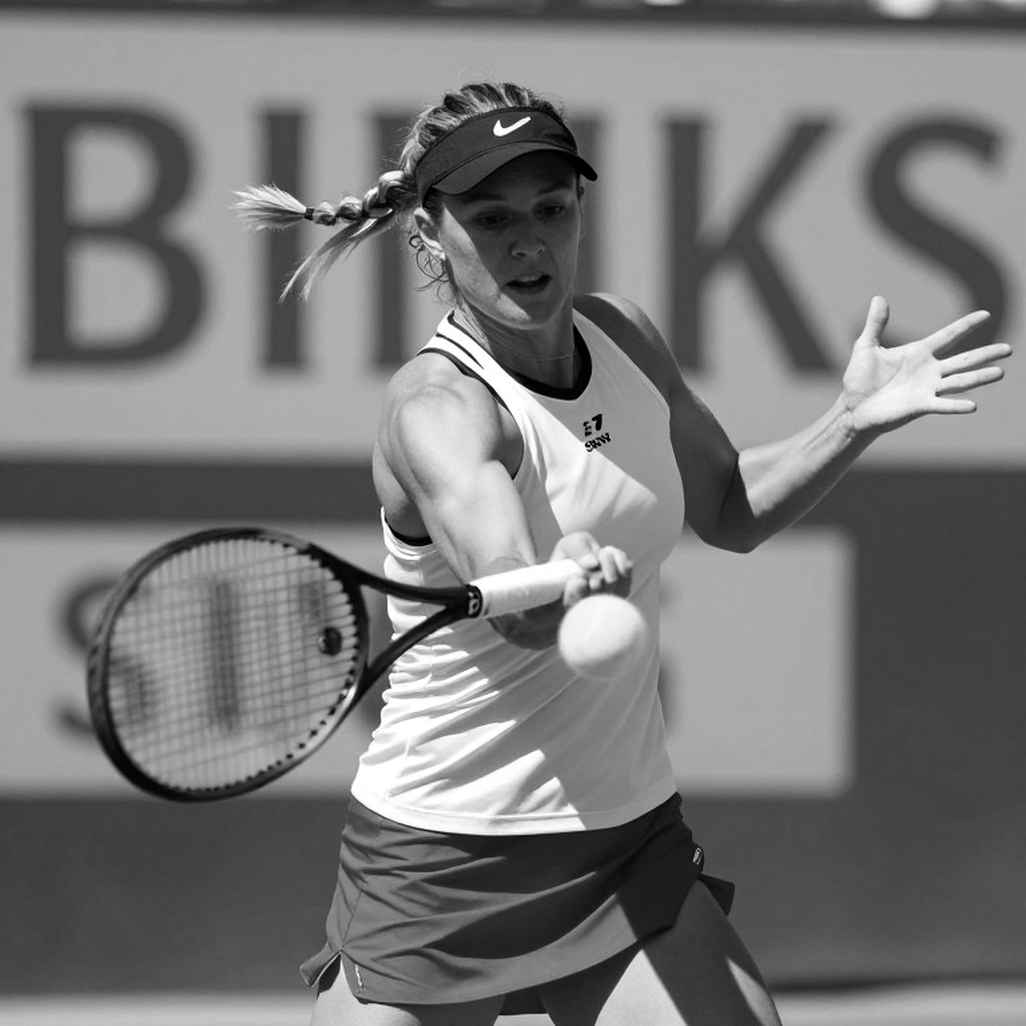
One point many reports blurred: this is a share purchase, not a transfer. No player contract was signed. No release clause was triggered. Messi still plays for Inter Miami and is still scoring. Eldense fans will not see him in their blue-and-red stripes in any Segunda fixture.
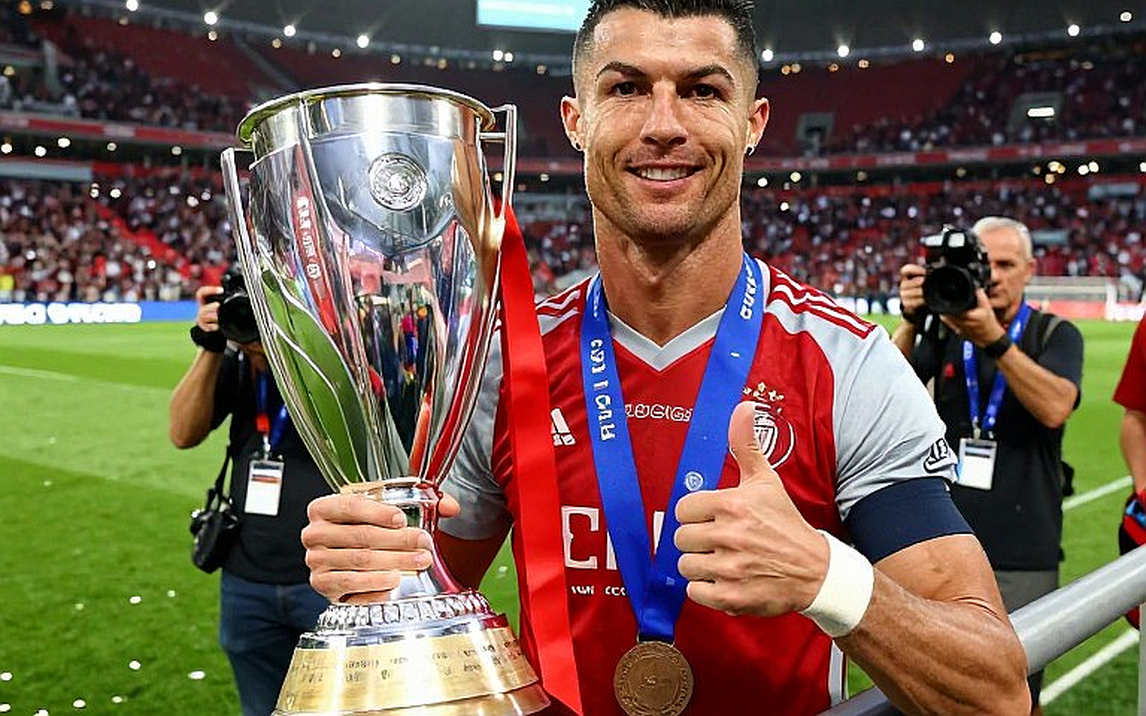
The pitch is empty, but the numbers keep whispering.
The deal has four layers worth separating. The first is valuation. A club sitting 19th, with four defeats in seven, at risk of dropping into Spain's third tier where revenue all but disappears, is an asset losing value with every matchday. The seller, a foreign investment group, has reason to exit before the loss deepens. A deal with an undisclosed fee, struck while the club is touching bottom, usually sits in a distressed range rather than a competitive one. That does not make the deal worthless. It simply places it correctly: a long-term investment, not a rescue operation.
The second layer is ownership structure. Messi now holds two clubs in two regions: Cornella in Catalonia, Eldense in Valencia. Multi-club ownership has become standard practice in European football over the past decade, and Messi's version carries a specific edge: personal networks into Argentine academies and MLS sides. In theory, two small clubs could serve as way stations for South American teenagers not yet eligible to move to Europe. In practice, that pipeline runs slowly, because neither Cornella nor Eldense has an academy strong enough to develop players at that level.
The third layer is brand. This is the only layer that changes immediately. A second-tier club owned by the most famous footballer alive will sell more shirts, attract more sponsors, and draw more television viewers across Asia and the Americas. But commercial revenue at a Segunda club is capped by stadium capacity and by the local market. Nuevo Pepico Amat is not a place that turns 50,000 residents into a global market in a single season.
The fourth layer is operations. Who runs Eldense on a Monday? Who calls an agent at 3 a.m. to close on a centre-back? The answers to those two questions decide whether this deal works, and neither appears in the statement.
Contracts are not written on paper. They are written in phone calls at 3 a.m.
As for Messi, the on-pitch data remains unambiguous. The narrow-angle free kick that earned the Puskas nomination is a specific technical marker: from an acute angle the distance from ball to goal is shorter, the trajectory must clear the wall earlier, and the margin for error is far smaller than on a central free kick. Producing that motion at 39 means the motor skill has not decayed. But it must be said plainly: this is data about a player, and it says nothing about the ability to run a club. A beautiful free kick is evidence about feet, not about a balance sheet.
I learned to read stories like this at Luzhniki in June 2026. That day I did not file the 5-0 scoreline of the opening match. I spent the three preceding days verifying the private arrangement between Denis Cheryshev and his agent, and the moment he scored his brace I called a sporting director in Ligue 1 and confirmed that the player's valuation would jump from 12 million to 25 million euros within 48 hours. Since then I never write that a player played well. I write how much market value he added, and through which performance.
In April 2026, when global football froze, I built a tracking sheet of 500 players approaching contract expiry, worked 14-hour days, and called agents in Brazil, Argentina and Europe. That July I was the first journalist in Vietnam to report that Messi had sent a burofax to Barcelona. Six years later, the same man appears on the other side of a deal, as a buyer. The circle closes in a town of 50,000.
From keyboard to trench: the distance is one click.
The blind spot sits here. The media is telling the story of a superstar rescuing a historic club. The league table does not read statements. To survive, Eldense must take points on the pitch, and points come from things ownership cannot fix in a week: defensive structure, squad quality, bench depth. A famous owner can raise shirt sales, raise viewership, raise sponsor appeal. No sponsorship contract scores in the 90th minute.
Blind spot two: two clubs under one federation. Cornella and Eldense can absolutely meet in the Copa del Rey. When that happens, the conflict-of-interest question lands on the table, and the competition organiser will answer in writing, not with sentiment.
Blind spot three: a false expectation about Messi's role. He is the owner, not a signing. His goals for Inter Miami do not convert into points for Eldense, and there is no mechanism by which they could.
Blind spot four: time. A 39-year-old still playing in MLS and still crossing between two continents has a finite budget of hours for running a club. A slow decision in January costs a transfer window. A slow decision in April costs a survival place.
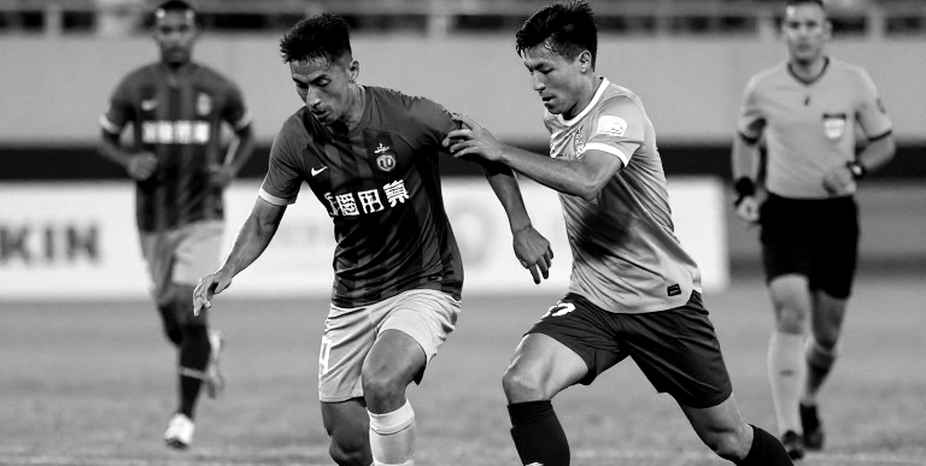
The hottest trench is not where the bombs fall. It is where the news breaks.
The next five matches will answer what no statement can. If Eldense take seven points, the inspirational-owner story earns its footing. If they lose three of those five, the prettiest deal of the Spanish football year becomes a lesson about the gap between brand and table. The question is not whether Messi has enough money. The question is: when the club loses its fifth match, who sits in the meeting room at 3 a.m. to decide on a new manager?