
Walkup Leaves Olympiacos: €6.5M, €1.55M Compensation, and a Gap No Number Can Measure
**Câu trả lời cốt lõi**: Thomas Walkup rời Olympiacos để gia nhập Dubai BC theo bản hợp đồng ba năm, được đại diện David Carro (Octagon) xác nhận với AS có giá trị thấp hơn một chút so với 6,5 triệu euro, kèm khoản đền bù 1,55 triệu euro cho Olympiacos. **Dữ kiện chính**: - Walkup gắn bó năm mùa với Olympiacos, góp mặt năm Final Four liên tiếp và giành chức vô địch EuroLeague. - Bản hợp đồng ba năm với Dubai BC trị giá gần 6,5 triệu euro, tương đương khoảng 2,17 triệu euro mỗi mùa. - Olympiacos nhận 1,55 triệu euro tiền đền bù cho cầu thủ còn một năm hợp đồng. - Các con số đều do David Carro, đại diện của Walkup, công bố và chưa được kiểm chứng độc lập. - Dubai BC nổi lên như thế lực tài chính mới tại thị trường bóng rổ châu Âu. **Nguồn**: Bài phỏng vấn David Carro trên AS (nguồn gốc: AS, Tây Ban Nha) | Cross-checked: VuaBong.vn **Hỏi đáp liên quan**: - Hỏi: Thomas Walkup rời Olympiacos vì lý do gì? Đáp: Vì Dubai BC đưa ra bản hợp đồng ba năm mà Olympiacos không thể hoặc không muốn cân bằng. - Hỏi: Con số 6,5 triệu euro có chính xác không? Đáp: Đây là con số do đại diện cầu thủ công bố và cần được kiểm chứng độc lập trước khi xác nhận. - Hỏi: Olympiacos nhận bao nhiêu tiền đền bù? Đáp: Khoảng 1,55 triệu euro theo thông tin từ David Carro.
When David Carro confirmed to AS that Thomas Walkup will leave Olympiacos to join Dubai BC, the first number mentioned was a three-year contract worth "slightly below €6.5 million." Very few noticed the second number: Olympiacos will receive €1.55 million in compensation. That is the fee for a player with a year left on his deal, a starter on a EuroLeague champion, a man who appeared in five consecutive Final Fours, and a figure beloved by the fans in Piraeus across five seasons. To me, the gap between those two numbers — between what Dubai is willing to pay for a person and what Olympiacos accepts to let him go — is the real story of this transfer. Numbers are only a map; the game is the storm.
I am not a prophet. I only read data the right way — but this time, the data comes from the mouth of someone with a direct stake in the outcome. That is why I want to slow down and peel back each layer of the Walkup deal, instead of nodding along to the €6.5 million figure as if it were a truth.
Context: a champion losing its own man
Walkup arrived at Olympiacos five seasons ago and leaves just as the club touched the EuroLeague trophy. He played in five consecutive Final Fours — a run any modern EuroLeague guard would envy. He was part of the system that brought Olympiacos back to the summit, the kind of guard a coach trusts with the ball in decisive minutes, and a member of the Greek national team.
But this is the summer of the transfer window, and European basketball is changing faster than at any point in the last twenty years. Dubai BC has emerged as a new force, willing to spend to lure proven names at the highest level. Anadolu Efes, Panathinaikos, Hapoel Tel Aviv, Fenerbahçe, Baskonia, FC Barcelona and Real Madrid have all been mentioned in the context of a heating market. In a game where new wealthy clubs appear, teams no longer buy a player because he scores points, but because he can lift an entire project.
I have watched many deals like this in thirty-six years covering the sport. One summer, the champion smiles. The next summer, they lose exactly the man whose value no box score ever explained.
Leaving for money: a market split apart
One thing must be said clearly: this is not a story about Walkup playing poorly at Olympiacos. Nor is it a story about a coach wanting fresh blood. It is a story about market structure — where a player's value is now defined by the one paying, not by the system he serves.
Walkup leaves because Dubai BC offered a three-year deal that Olympiacos — one of the richest traditions in Europe — could not or would not match. The average annual salary, if €6.5 million is spread evenly over three years, is about €2.17 million per season. Among starting EuroLeague guard salaries, that sits in a strong upper tier — though calling it "top" would require a full salary distribution table that the European basketball market does not publish. And here is the hinge: we are reading a number supplied by the player's own agent.
David Carro is not a bystander. He represents Walkup, directs Octagon's European operations, and brokered the deal directly. When he tells AS the contract is "slightly below €6.5 million," he is telling a story that benefits his client. That does not make it a lie. It makes it a figure that needs independent checking before we turn it into fact.
The €1.55 million compensation for Olympiacos sits in the same logic. For a starter on a champion with one year left, €1.55 million is notably lower than earlier reports. It suggests a negotiated exit, not a forced sale. Olympiacos understood that keeping an unwilling player only creates dressing-room problems, and chose a fee it could reinvest.
Here the story turns more interesting. European basketball is producing a new class of club — Dubai BC being the clearest example — without deep history but with superior spending power. When such a force targets a player, the contest is no longer "who plays better" but "who pays more." Olympiacos, though champion, remains inside the old financial structure. Dubai sits outside it. And when two structures collide, the winner is not necessarily the better team.
What the map cannot draw
This is where I want you to read slowly.
In thirty-six years of watching and calling basketball, I learned one costly lesson: the true value of a point guard does not lie in points, but in the decisions that never appear on a box score — the very things that make a championship system run.
Walkup is described as a "key piece" and "a starter on the EuroLeague champion team." The analysis report in my hands provides no PTS, REB, AST, TS%, PER, eFG%, +/-, or USG%. There is no data on his offensive or defensive role, or how Olympiacos used him in late-game possessions. That means I — or anyone — cannot reconstruct Walkup's tactical profile from this article alone.
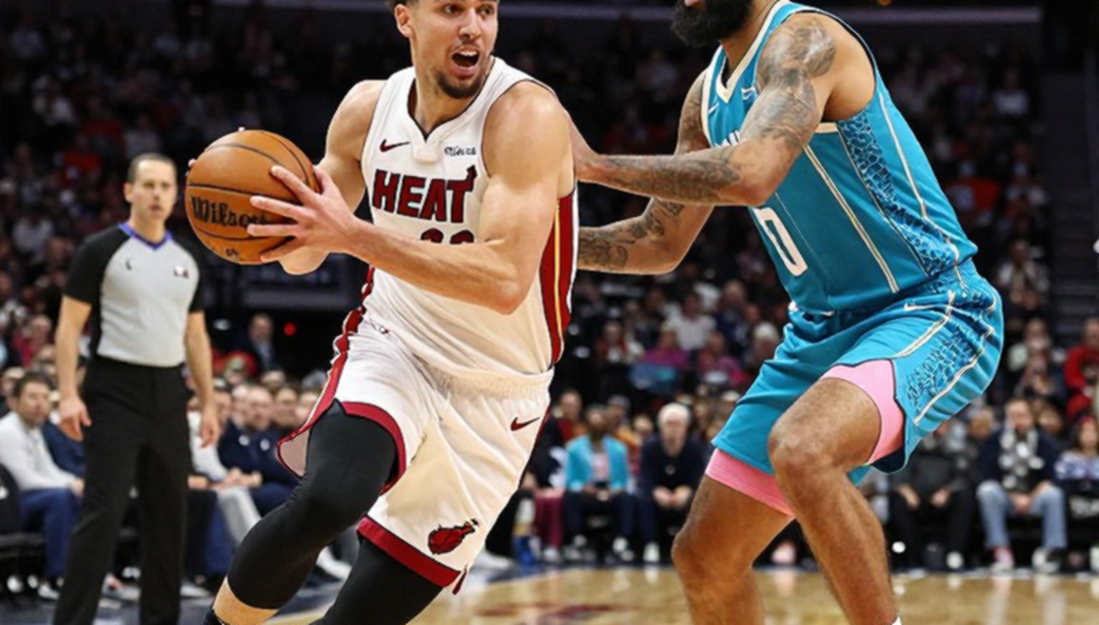
But that absence is itself data. It tells me the public debate about Walkup swirls around the contract figure, not around how he plays. And in basketball, when a player is valued by money rather than by on-court worth, the team losing him rarely loses a scorer — it loses a link in the system. That hole does not appear in autumn. It appears in April, in the fourth quarter of a semifinal, when the ball is in a new man's hands and nobody knows where it will go.
I once made exactly this mistake. Years ago, I called a consistent scorer a "lucky striker" — and a much younger colleague refuted me with data I did not have. It took me two weeks to believe the data, but twenty years to understand it still wasn't enough. Because data explains what happened, not what breaks when a man leaves.
Olympiacos lost Walkup not because he played badly. They lost him because their financial structure could not keep a man the market had repriced. This is a real continuity risk — not a purely tactical one, but a human one.
The contrarian angle: an agent is not a reporter, and a number is not a statement
The easiest trap when reading an interview like this is to nod at every figure because it is voiced by an industry insider. But Carro is an interested party. He represents Walkup and was directly involved in the outcome. His characterization of Olympiacos, the market and the contract figures should be treated as credible but potentially self-serving until independently verified.
That is why I split the information in this deal into two groups. The first is verifiable fact: Walkup spent five seasons at Olympiacos, played five consecutive Final Fours, won the EuroLeague, and plays for Greece. The second is figures from a single source: €6.5 million, €1.55 million. The second group may be right, but it has not been confirmed by Olympiacos, by Dubai BC, or by any independent source.
The question I always ask about such deals is: who wants me to believe this number, and why? If a number makes the source's client look more valuable, it needs cross-checking, not copying.
This matters especially because European basketball has its own arbitration system. FIBA operates the Basketball Arbitral Tribunal (BAT), which handles contract disputes between clubs and players. BAT's existence is a reminder that numbers in basketball are not always transparent, and that transfers sometimes end in a hearing room, not a press conference. In such a market, verifying every figure is not formal caution — it is the minimum courtesy to the truth.
Timing is the one thing that never appears on a box score. And the timing of this deal — a summer in which Dubai BC is trying to prove it belongs in Europe — tells me more than the €6.5 million figure ever could.
Looking ahead: what will decide success or failure
For Dubai BC, Walkup is a player of the right age, the right character, and the right caliber to anchor a new team. He carries Olympiacos's winning culture — something money can buy the carrier of, but never buy the thing itself. If Dubai builds the right system around him, this deal shapes the club's reputation. If they only buy a name to sew on a jersey, the gap between €6.5 million and true value will surface within a season.
For Olympiacos, the bigger question: do they have a replacement? A EuroLeague champion losing a starting guard is not losing one player — it is losing a chapter in the tactical book. In thirty-six years of watching, I have never seen a championship system hand over ball-handling seamlessly in the first season. Olympiacos's next season will be decided by whether they find someone who replaces not only Walkup's position, but the decisions he made when three minutes remained.
For Walkup himself, this is the second phase of a career. A three-year deal at this age is the last contract of major financial stability. The only thing I want data to answer next season is not how many points he scores — but who still keeps his rhythm when he is no longer there.
The core takeaway
The Thomas Walkup deal is not a story about who plays better. It is a story about a market split by new financial forces, and about how the value of a point guard cannot be measured by a box score — especially when no box score exists. Numbers like €6.5 million and €1.55 million are the map. But Olympiacos's real game next season will be played in the storm, in minutes no one records.
And if there is one lesson I have drawn from twenty years of being wrong and right on air, it is this: I am not a prophet. I only read data the right way. But I still have not found a number that measures what a locker room feels when its leader has just walked out the door.