
The Rodri Deal That Collapsed in Madrid: An Echo from a Half-Closed Door
Câu trả lời cốt lõi: Theo chuỗi bài báo dẫn lại từ YouTuber Miguel Látigo Serrano, Real Madrid muốn bán Fede Valverde hè 2026, và việc anh ở lại được cho là lý do thương vụ Rodri đổ vỡ. Bài gốc không có bằng chứng, chứa mâu thuẫn thời gian và thiếu nguồn cho các chi tiết gây sốc nhất. Sự kiện chính: - Valverde còn hợp đồng với Real Madrid tới năm 2029 và từ chối ra đi trong kỳ chuyển nhượng. - Bài báo gọi Rodri là cựu cầu thủ Manchester City và đặt sự kiện vào hè 2026. - Khoản phạt nội bộ 500.000 euro được gọi là chưa từng có tiền lệ trong CLB. - Nguồn gốc: YouTuber Miguel Látigo Serrano, khoảng 50.000 người đăng ký. - Sáu trong mười lăm điểm thông tin gây sốc nhất không có nguồn cụ thể. Nguồn: Goal.com dẫn Defensa Central, OK Diario và Miguel Látigo Serrano | Cross-checked: VuaBong.vn Hỏi đáp liên quan: Q: Valverde và Rodri có tranh cùng một vị trí không? A: Không; Valverde là tiền vệ box-to-box còn Rodri là tiền vệ trụ đơn điều tiết nhịp độ. Q: Thương vụ Rodri đổ vỡ vì lý do gì theo bài báo? A: Bài báo quy cho việc CLB hành động muộn, thiếu tin tưởng và chính sự do dự của Rodri, không phải Valverde.
Summer in Madrid always begins with a rumour. But in the summer of 2026, according to an article now spreading, Real Madrid wanted to sell Fede Valverde. The Uruguayan said no. And because he stayed, the deal to sign Rodri collapsed. Three sentences, as tight as a verdict. I read it once and found it plausible. I read it twice and found it familiar. By the fourth reading, I realised I was reading an article with no evidence: no transfer fee, no primary source, not a single quote from the club or the player. Only a long chain of attribution, each hop through another outlet stripping away a little verification and adding a little certainty. The transfer market is where dreams are priced in black and white. It is also where black and white is sold as truth.
The story, as told, runs like this. The Real Madrid board wanted to move Valverde on in the summer window. His contract runs to 2029, and he chose to stay — a legal right, nothing unusual. On Rodri, the article says the club pursued Manchester City's holding midfielder, one of the finest players in the world in his position. The deal did not happen. Layered on top are heavy details: an altercation between Valverde and Aurélien Tchouaméni, a concussion, an internal fine of 500,000 euros described as unprecedented, and supporters publicly demanding the departure of both midfielders. Most telling of all: the source for every one of the most dramatic claims — the altercation, the concussion, the fine — is left blank.
The sourcing chain passes through four tiers. Goal.com re-reported Defensa Central, Defensa Central re-reported OK Diario, OK Diario re-reported journalist Miguel Látigo Serrano — a YouTuber with roughly 50,000 subscribers. Each tier strips context and adds certainty. Several details contradict the present reality: one places the event in the summer 2026 window while calling Rodri a former Manchester City player, and names José Mourinho as Real Madrid's coach. Together, those three points are enough to place the entire article under suspicion.
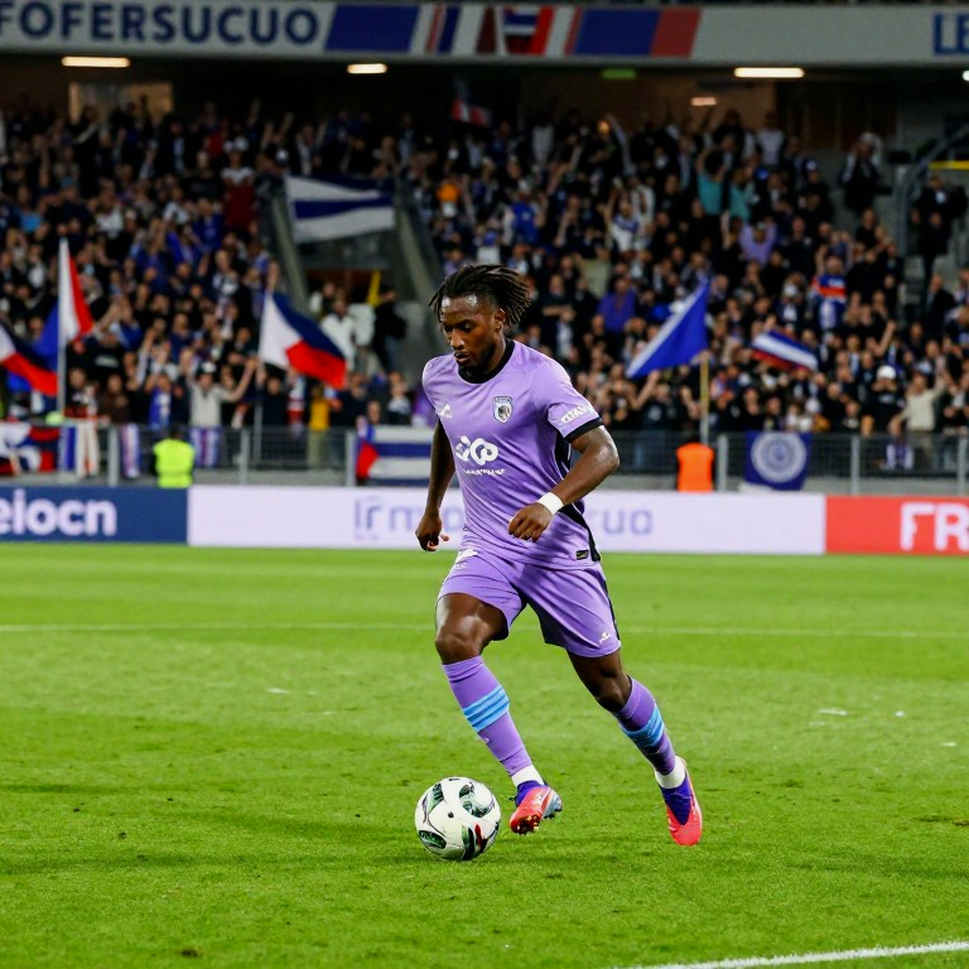
Setting sourcing aside, I want to address the tactical claim, because this is where the article's argument falls apart first. Valverde and Rodri are different profiles, not two options for the same slot. Valverde is a box-to-box engine: high intensity, endless running, capable of playing right midfield, central midfield, even emergency full-back. Rodri is a single pivot, a tempo controller whose value lies in positional discipline and progression from deep. One fills space, the other creates it. In a single XI, they coexist in different functions rather than compete for one place. Saying Valverde is why Rodri did not arrive is like saying a full-back's presence blocked a striker — the two are tactically unrelated.
What matters more: the original article offers no tactical argument at all. No formation, no role, no system analysis. What is called a reason is only speculative opinion — of the may-have-been-one-of-the-reasons kind — wrapped in the confident language of a headline. Technically, that is a gap, not a finding.
Then comes the economics. There is no fee, no wage, no contract length for any deal. Valverde was not sold, so his value cannot be analysed. Rodri was not bought, so the structure cannot be analysed. The only financial figure is the 500,000-euro fine. Even at elite-club wage levels, that number is unusually large, and under most employment frameworks internal fines are capped at a set number of weeks' wages. An unprecedented fine requires contractual backing, and the article provides none.
But there is one detail I consider the most important, and it is buried beneath the headline. According to the article, Real Madrid pursued Rodri late, because they did not trust him, and did so in response to fan desire, based on an opinion poll. If that is true, even partly, it stops being a story about a collapsed deal and becomes a story about a club making decisions on the mood of the stands rather than the reports of scouts. That is a governance signal, not a transfer story.
And here is the most striking internal contradiction: the board wanted to sell Valverde, while the coach, per the same article, was the first to celebrate building the team around him. Two departments of one club pulling in opposite directions. That is the real story, hidden by a sensational headline.
The article's headline is not supported by its own body. The headline says Valverde ruined the Rodri deal. The body blames the club moving late, its lack of trust in Rodri, an opinion poll, and Rodri's own hesitation. Of those four causes, none is Valverde. The name nailed to the headline is the name absent from the chain of causation.
After more than four decades watching transfer windows, I have learned one thing: the loudest rumour is usually the weakest on sourcing. When a story passes through three intermediaries and its most shocking details carry no source, what deserves analysis is not the player but the mechanism that produced the story. At 61, I still believe the finest match is the one that never took place — and the most credible transfer is the one never announced.
What remains after the noise fades is not a deal but a question about how a great club operates: who really decides, the board or the stands? A player exercising his contractual right to stay ruins nothing. If something broke in Madrid this summer, it lies elsewhere — in a room where people told a story and forgot to bring the evidence.